





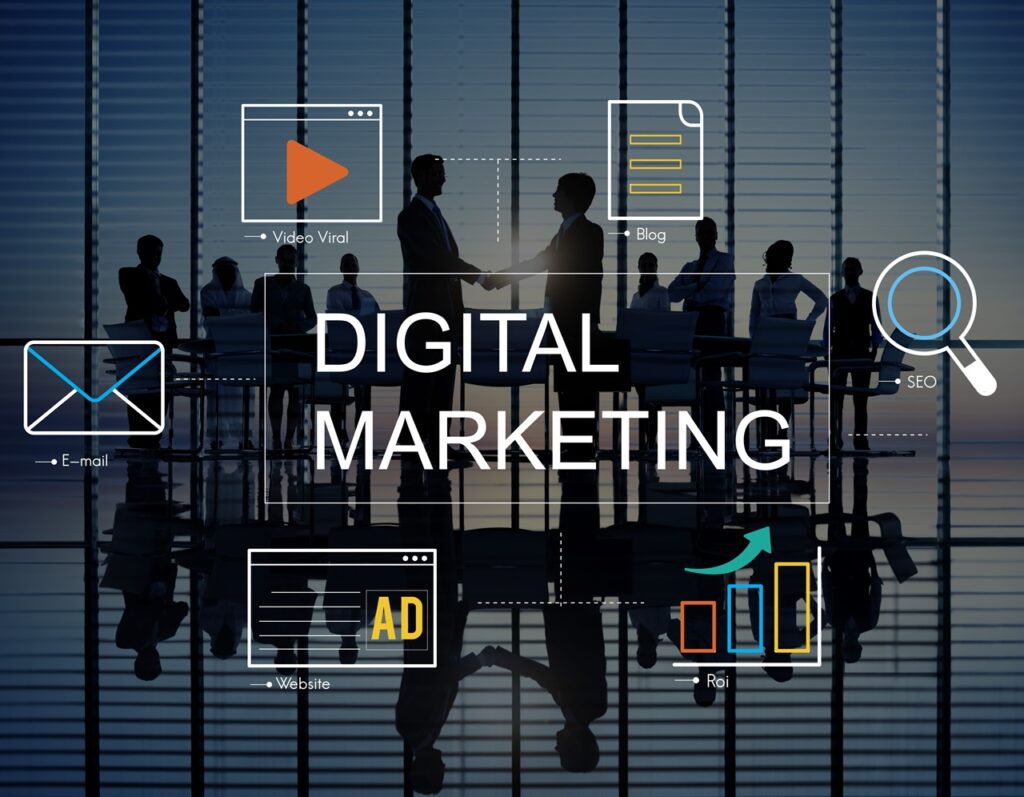
Digital marketing is evolving faster than ever, driven by AI, changing consumer behavior, privacy regulations, and new technologies. As we move into 2026, businesses that fail to adapt to emerging digital marketing trends risk losing visibility, engagement, and competitive advantage. On the other hand, brands that stay ahead of the curve can unlock new growth opportunities, improve ROI, and build stronger customer relationships.
This blog explores the Top 10 Digital Marketing Trends That Will Dominate 2026, explaining why they matter, how they impact businesses, and how organizations can prepare for the future.
Why Digital Marketing Trends Matter for Businesses
Digital marketing trends reflect how consumers search, interact, and make purchase decisions online. Platforms, algorithms, and user expectations change continuously, making outdated strategies ineffective. Businesses that align their marketing efforts with future-ready trends can deliver more personalized experiences, optimize budgets, and scale faster.
Staying updated with digital marketing trends is not just about innovation; it is about relevance, efficiency, and long-term sustainability in a competitive digital ecosystem.
Business Impact of Following Digital Marketing Trends
- Improved customer targeting and personalization
- Higher engagement and conversion rates
- Better use of marketing budgets through automation and AI
- Stronger brand trust and loyalty
- Competitive advantage in crowded digital markets
Top 10 Digital Marketing Trends That Will Dominate 2026
1. AI-Driven Marketing and Automation
Artificial intelligence will continue to redefine digital marketing in 2026. AI-powered tools are being used for content creation, predictive analytics, customer segmentation, ad optimization, and chat-based customer support.
Businesses are leveraging AI to automate repetitive tasks, analyze large datasets, and deliver hyper-personalized marketing experiences at scale.
Key Focus Areas
- AI content and ad optimization
- Predictive customer behavior analysis
- Marketing automation platforms
2. Hyper-Personalization Using First-Party Data
With stricter privacy laws and the decline of third-party cookies, brands are shifting toward first-party data-driven personalization. In 2026, personalized experiences will go beyond names and emails to behavior-based content, offers, and journeys.
Companies that invest in CRM and data integration will outperform competitors.
Key Focus Areas
- First-party data collection
- Personalized content and offers
- Customer journey mapping
3. Voice Search and Conversational Marketing
Voice search usage continues to grow with smart devices and virtual assistants. In 2026, optimizing content for voice queries and conversational keywords will be essential for search visibility.
Conversational marketing through chatbots and messaging platforms will also play a major role in lead generation and customer engagement.
Key Focus Areas
- Voice search SEO
- Conversational AI and chatbots
- Natural language content optimization
4. Video-First and Short-Form Content Dominance
Video content will remain the most engaging digital format in 2026. Short-form videos on platforms like YouTube Shorts, Instagram Reels, and LinkedIn video will dominate user attention.
Businesses will focus on storytelling, educational videos, and product demonstrations to build trust and engagement.
Key Focus Areas
- Short-form video marketing
- Interactive and shoppable videos
- Video SEO optimization
5. Search Experience Optimization (SXO)
Search Engine Optimization is evolving into Search Experience Optimization (SXO), where user experience, content quality, and engagement metrics matter as much as keywords.
In 2026, brands must optimize for intent, page experience, and value-driven content rather than just rankings.
Key Focus Areas
- UX-focused SEO strategies
- Helpful and authoritative content
- Page speed and Core Web Vitals
6. Influencer Marketing with Micro and Niche Creators
Influencer marketing will become more performance-driven in 2026. Brands are shifting from celebrity influencers to micro and niche creators with highly engaged audiences.
Authenticity, trust, and relevance will matter more than follower count.
Key Focus Areas
- Micro-influencer partnerships
- Long-term creator collaborations
- ROI and performance tracking
7. Privacy-First and Ethical Marketing
Data privacy and ethical marketing practices will be a major focus in 2026. Consumers are becoming more aware of how their data is used, and regulations are becoming stricter.
Brands that prioritize transparency and consent-driven marketing will build stronger trust.
Key Focus Areas
- Privacy-compliant data strategies
- Transparent communication
- Consent-based personalization
8. Omnichannel Marketing Integration
Customers interact with brands across multiple touchpoints, including websites, social media, email, search, and messaging apps. In 2026, omnichannel marketing will be essential for consistent brand experiences.
Businesses will focus on seamless integration across channels to improve engagement and conversions.
Key Focus Areas
- Unified customer data platforms
- Consistent messaging across channels
- Cross-channel attribution
9. Performance Marketing with Advanced Analytics
Performance marketing will become more data-driven and outcome-focused in 2026. Advanced analytics and AI-driven insights will help marketers measure real business impact rather than vanity metrics.
Budget allocation will increasingly depend on performance data and predictive models.
Key Focus Areas
- ROAS and conversion optimization
- Advanced attribution models
- Data-driven decision-making
10. B2B Content Marketing and Thought Leadership
In 2026, B2B buyers will rely heavily on educational and thought leadership content before making decisions. Long-form content, case studies, whitepapers, and webinars will play a key role in demand generation.
Brands that position themselves as industry experts will gain trust and authority.
Key Focus Areas
- Educational and value-driven content
- B2B lead nurturing strategies
- Authority-building content formats
How Businesses Should Prepare for Digital Marketing in 2026
To stay competitive, businesses should invest in technology, data, and skills aligned with future trends. This includes adopting AI tools, strengthening data infrastructure, focusing on user experience, and building agile marketing teams.
A future-ready digital marketing strategy balances innovation with measurable business outcomes.
Conclusion
The Top 10 Digital Marketing Trends That Will Dominate 2026 clearly show that the future of marketing is data-driven, customer-centric, and technology-enabled. AI, personalization, video, privacy-first strategies, and omnichannel experiences will shape how brands connect with audiences.
Businesses that proactively adapt to these trends will not only survive but thrive in an increasingly competitive digital landscape. Now is the time to evaluate your digital strategy, invest in the right tools, and align your marketing efforts with the trends shaping 2026 and beyond.
Frequently Asked Questions (FAQs)
1. Why are digital marketing trends important for business growth?
Digital marketing trends reflect changing consumer behavior, technology, and platform algorithms. Following these trends helps businesses stay relevant, improve targeting, and optimize marketing budgets. Companies that adapt early can gain competitive advantage, improve engagement, and achieve higher ROI compared to those using outdated strategies.
2. How will AI impact digital marketing in 2026?
AI will significantly impact digital marketing by automating tasks, improving personalization, and enhancing data analysis. In 2026, AI will be widely used for content creation, ad optimization, predictive analytics, and customer engagement. This allows marketers to scale campaigns efficiently while delivering more relevant experiences.
3. Is SEO still relevant with new digital marketing trends?
Yes, SEO remains highly relevant, but it is evolving into Search Experience Optimization (SXO). In 2026, SEO will focus more on user intent, content quality, page experience, and engagement metrics rather than just keywords. A strong SEO strategy is still essential for long-term visibility.
4. How important is video marketing in 2026?
Video marketing is one of the most important digital marketing trends in 2026. Short-form and interactive videos drive higher engagement, improve brand recall, and influence purchase decisions. Businesses that invest in video-first strategies will connect more effectively with modern audiences.
5. What role does data privacy play in future digital marketing?
Data privacy plays a critical role in digital marketing as regulations and consumer awareness increase. In 2026, businesses must adopt privacy-first strategies, rely on first-party data, and maintain transparency. Ethical data practices help build trust and long-term customer relationships.
6. How can small businesses adapt to digital marketing trends?
Small businesses can adapt by focusing on high-impact trends such as AI tools, local SEO, video content, and performance marketing. Using scalable tools and data-driven strategies allows small businesses to compete effectively without large budgets, making digital marketing trends accessible to all.